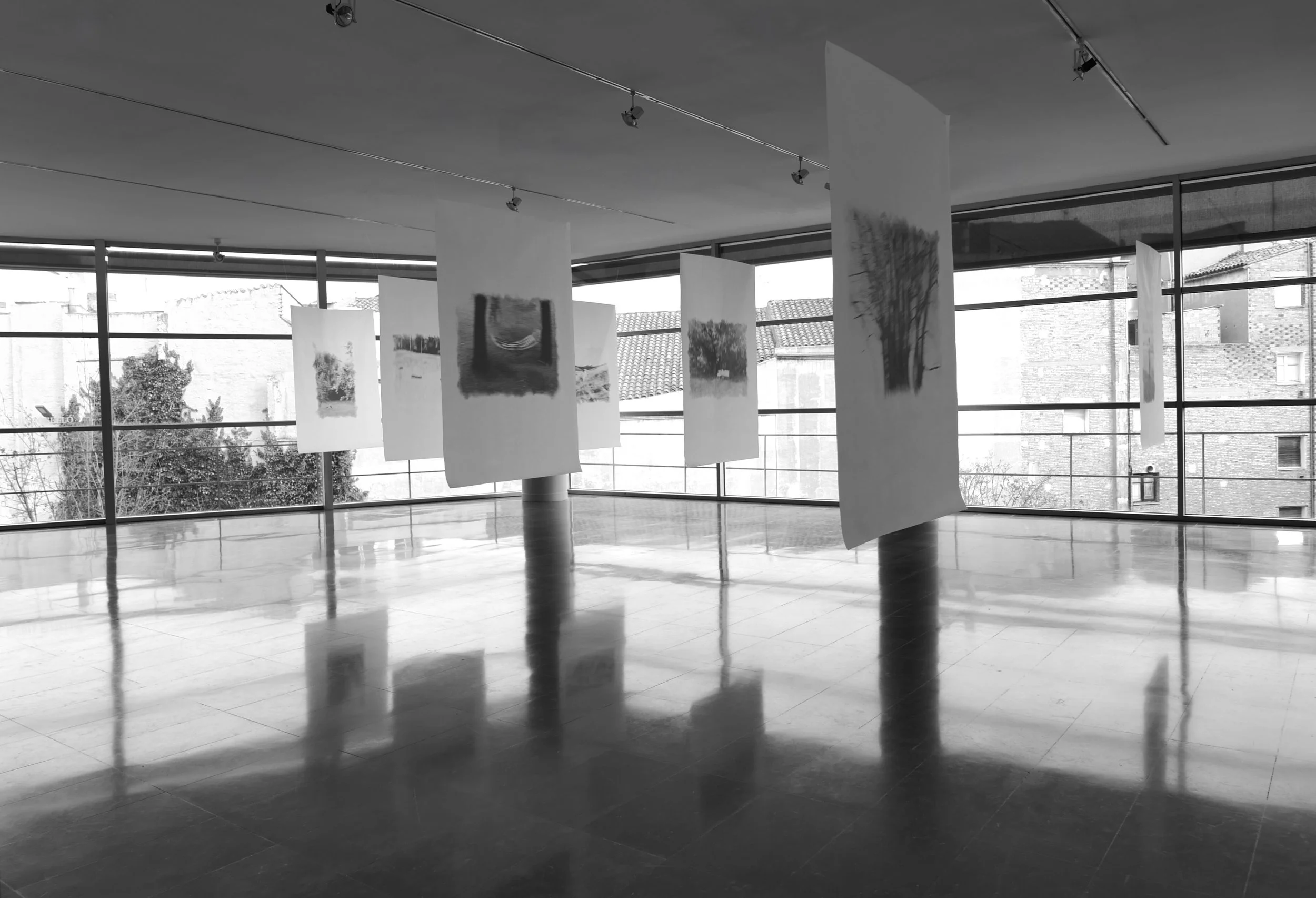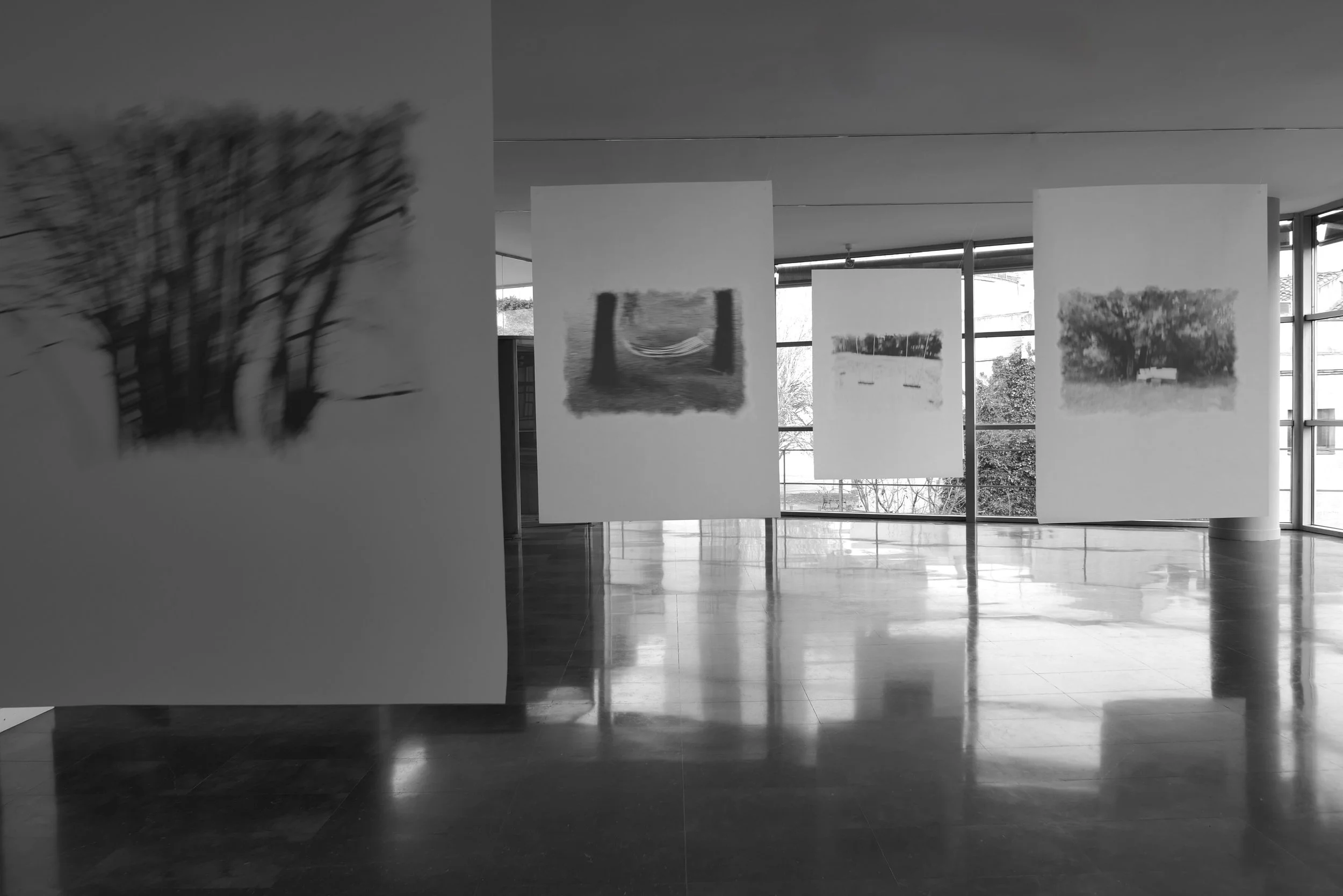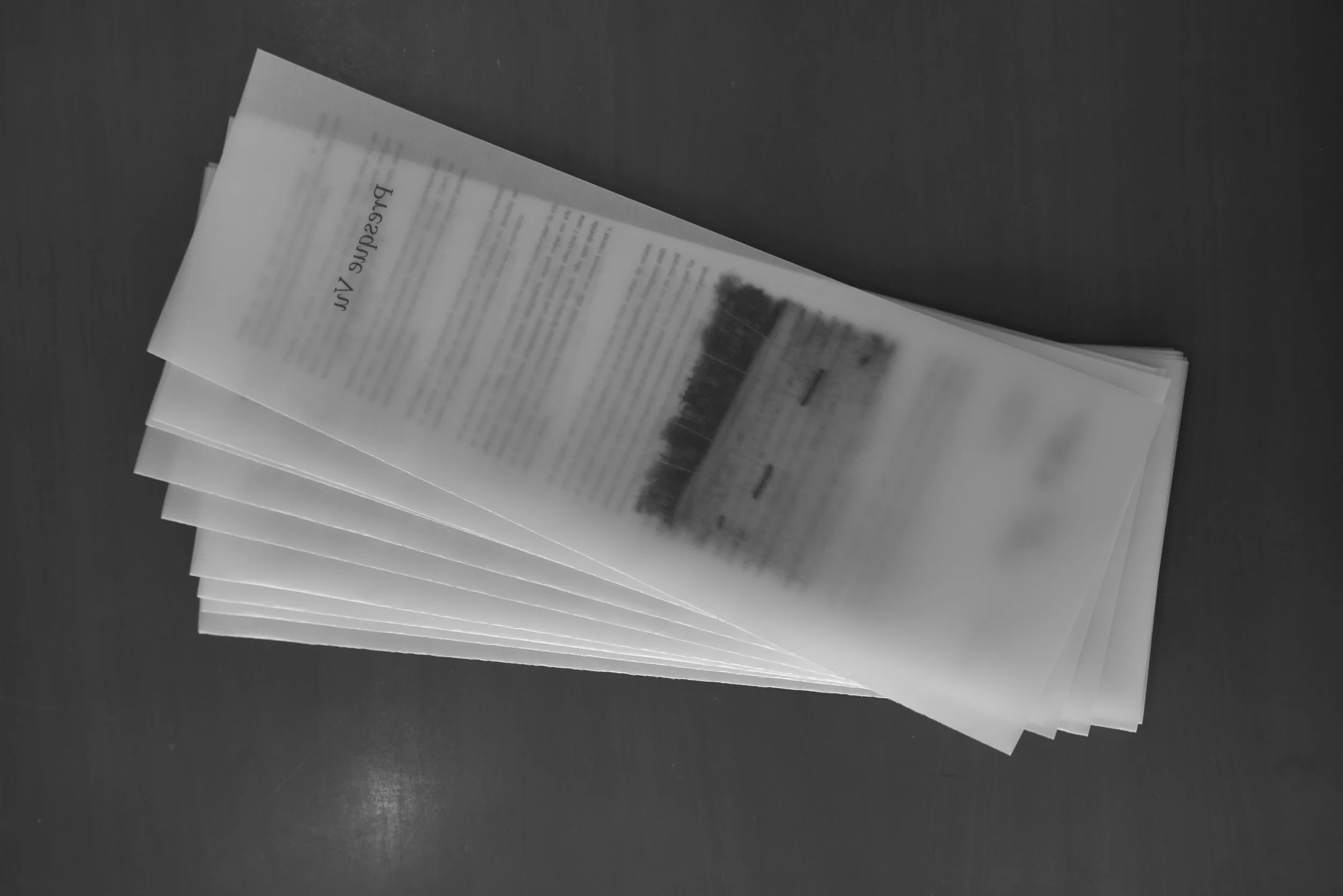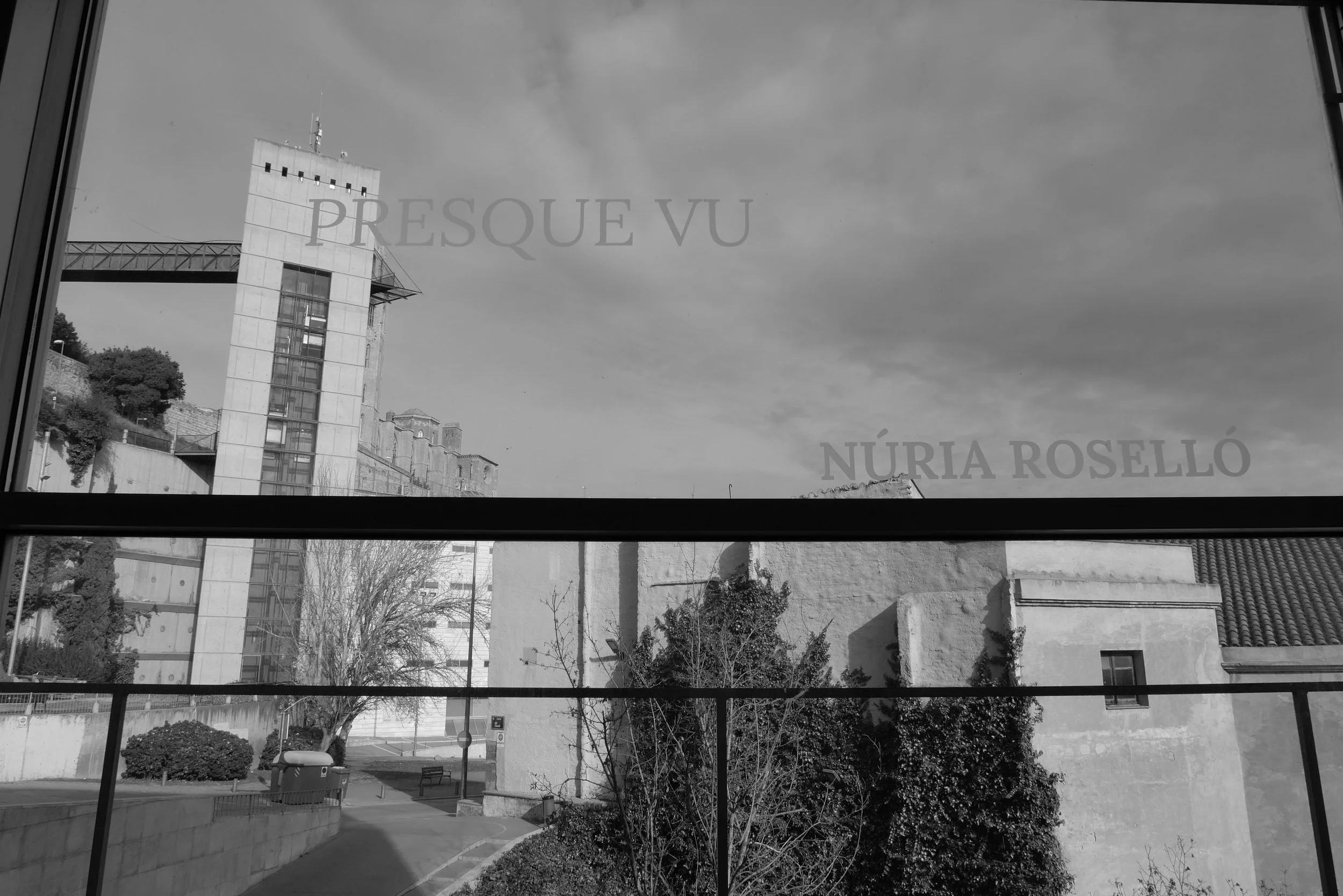
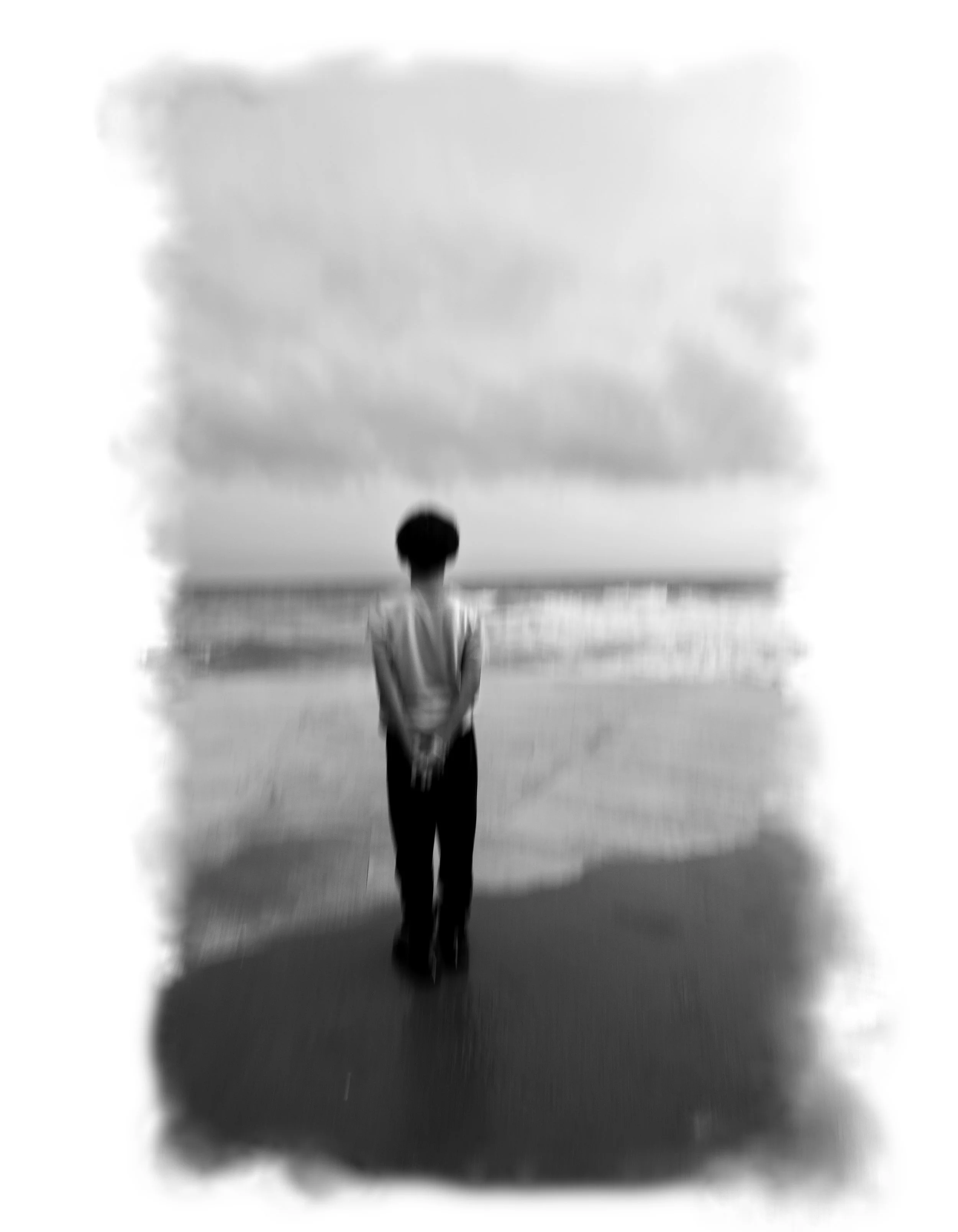
presque vu
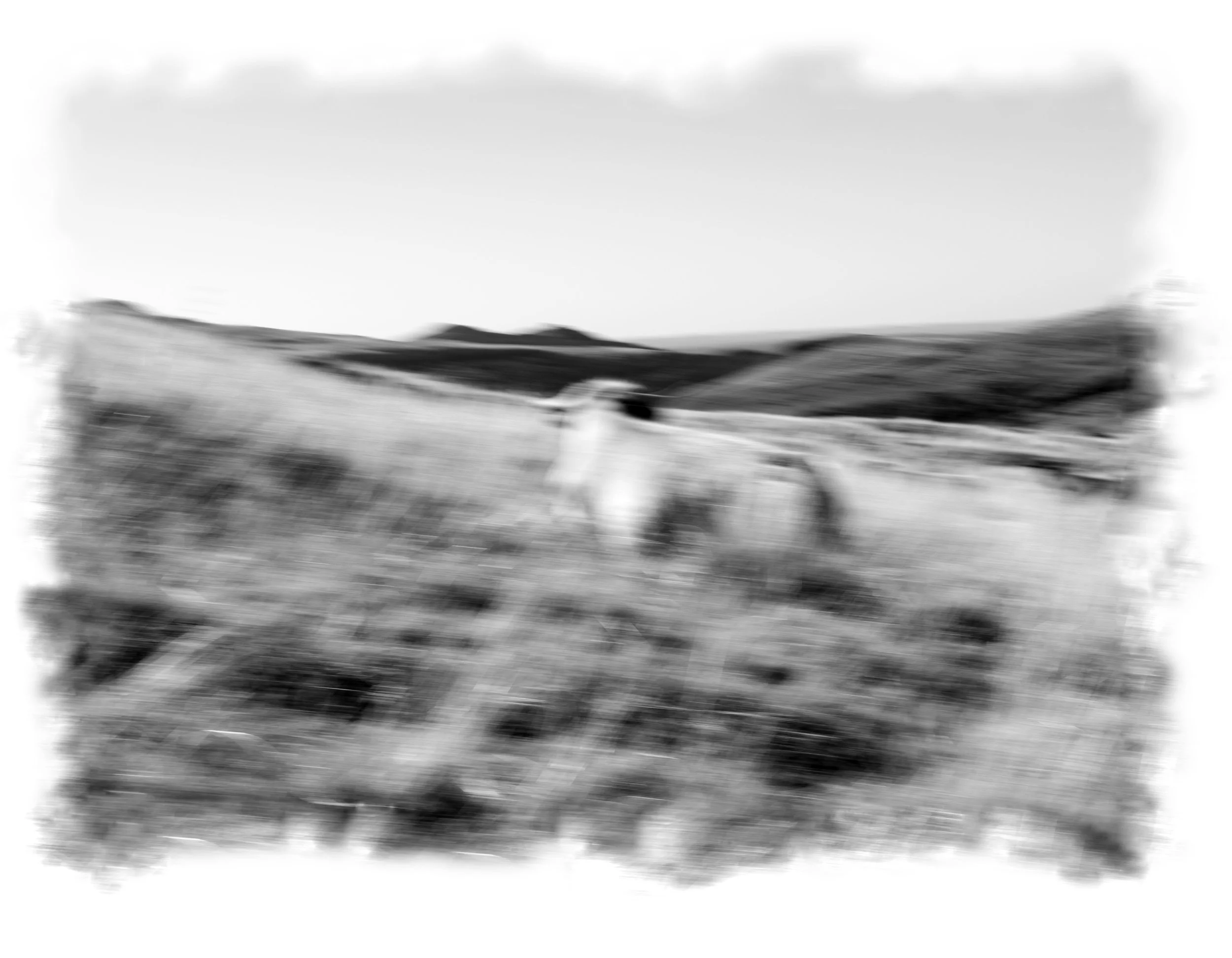
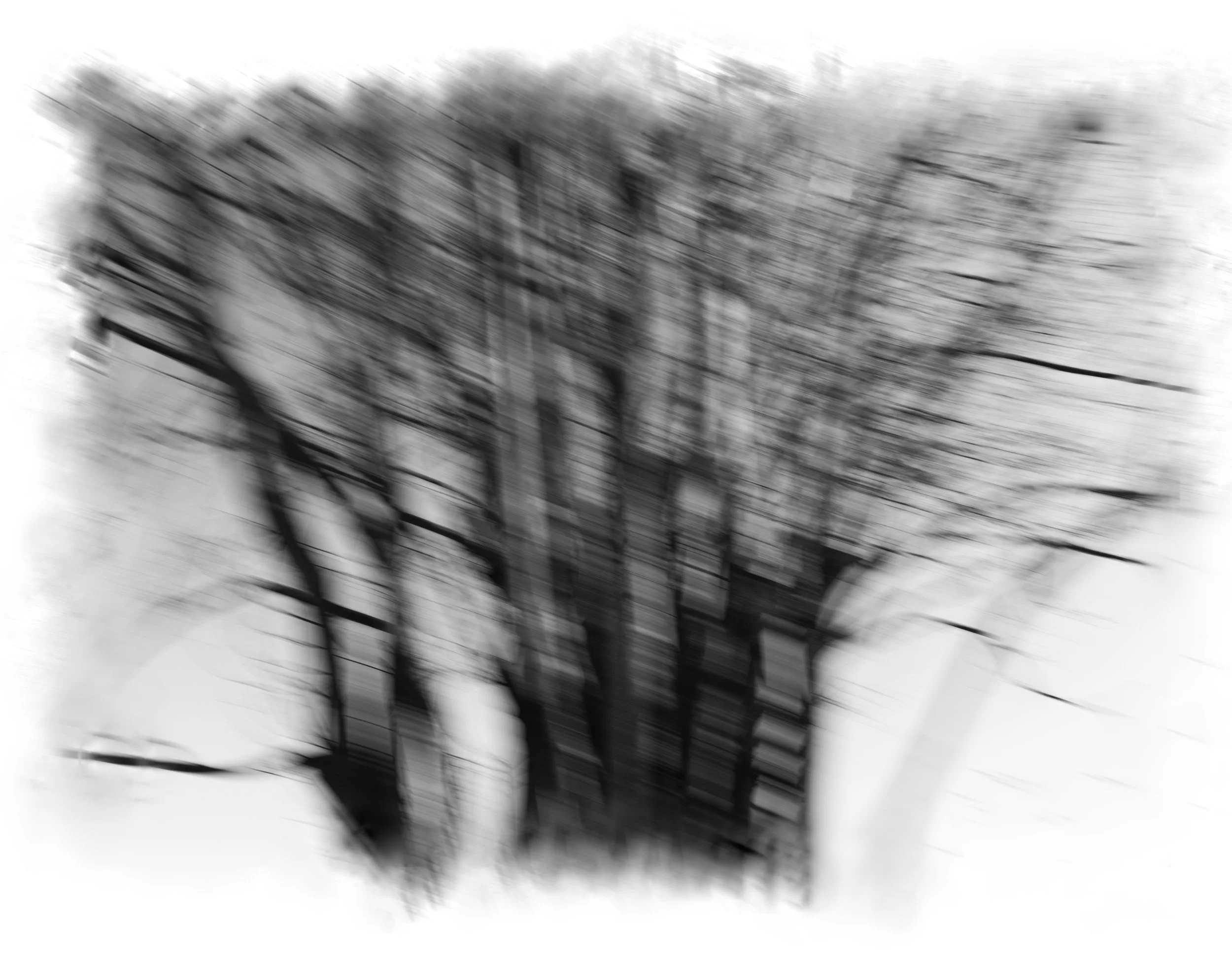
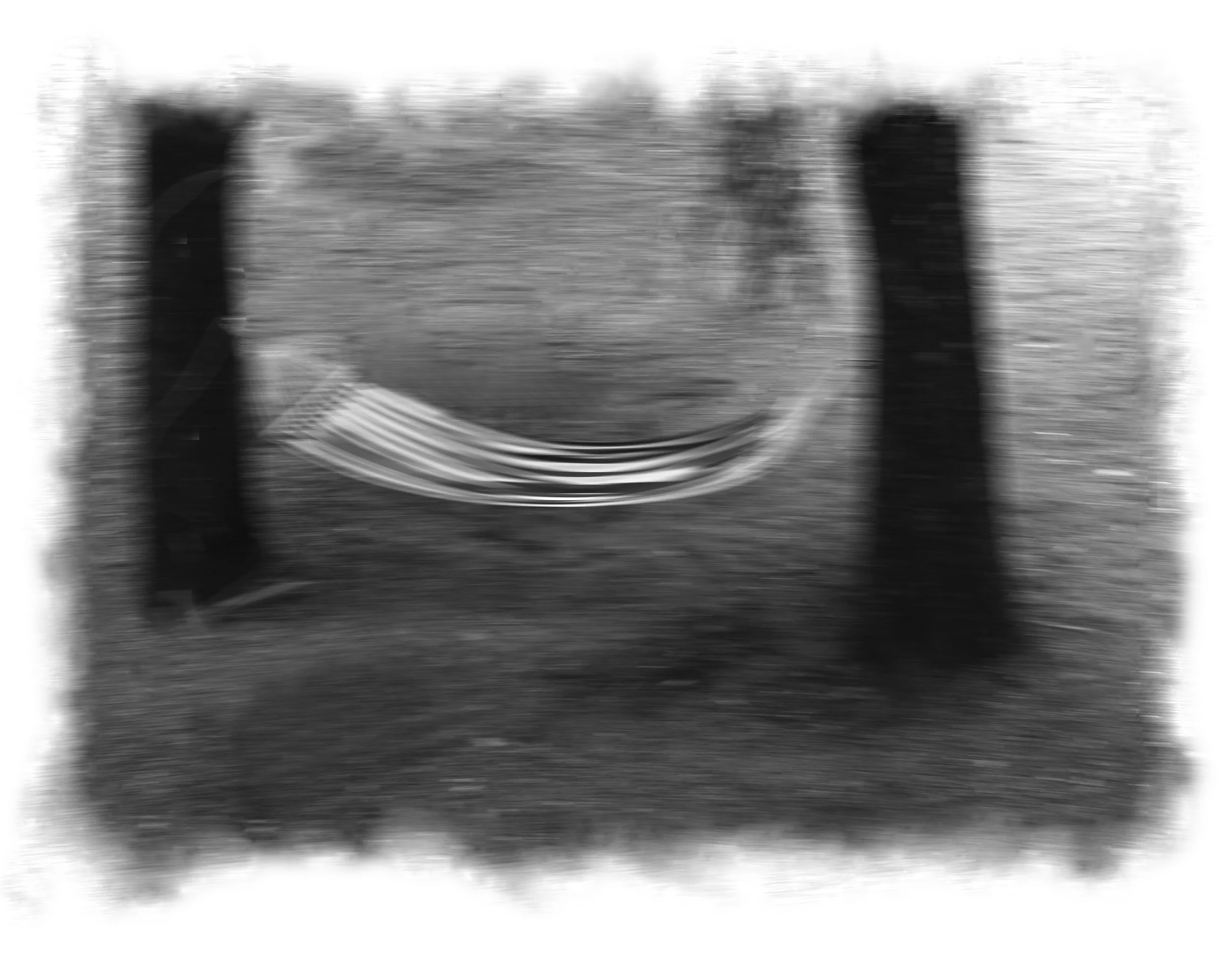
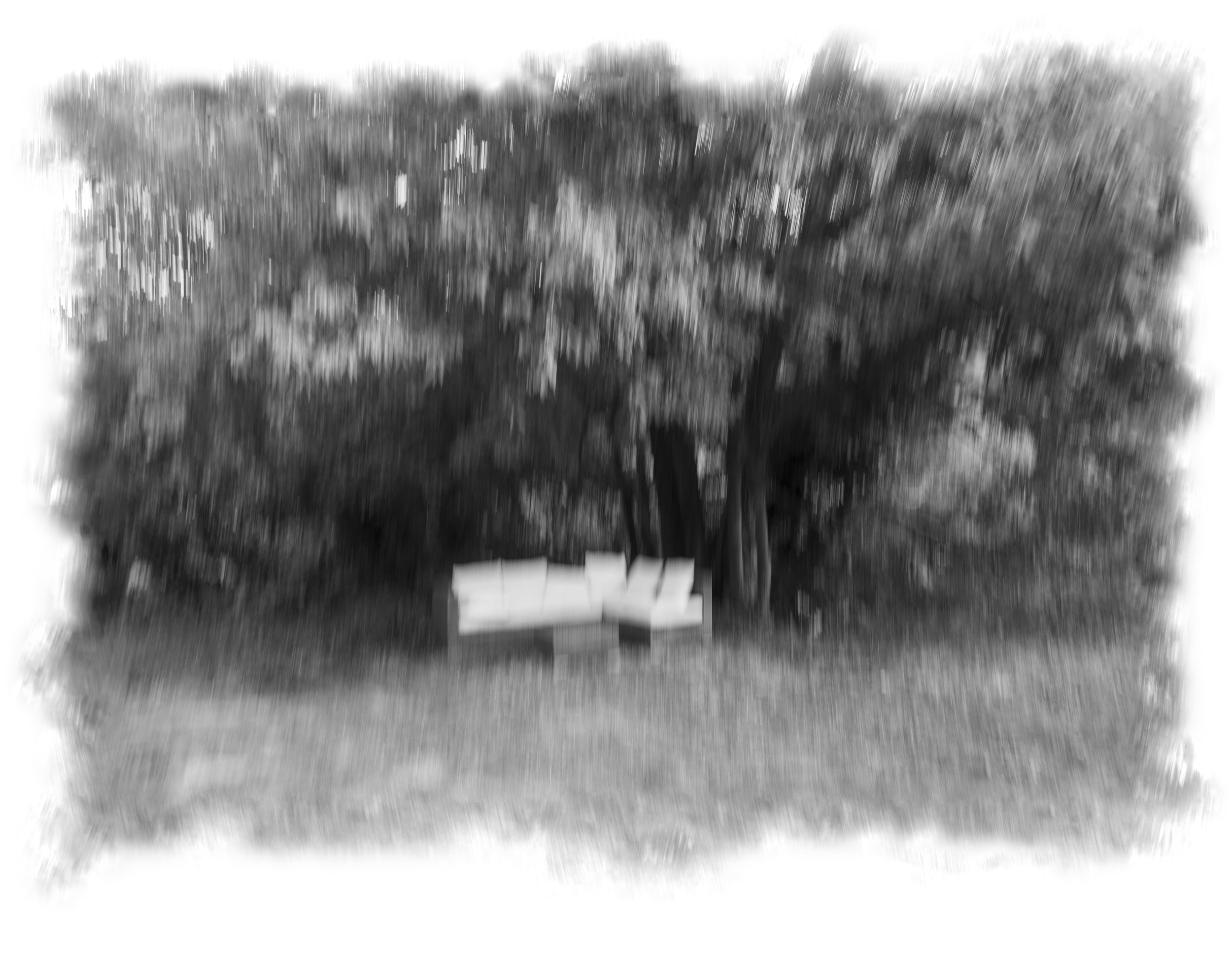
Presque vu takes its name from the cognitive state of almost seeing, almost remembering, almost understanding—when something feels on the verge of becoming clear, only to dissolve before it can be fully grasped.
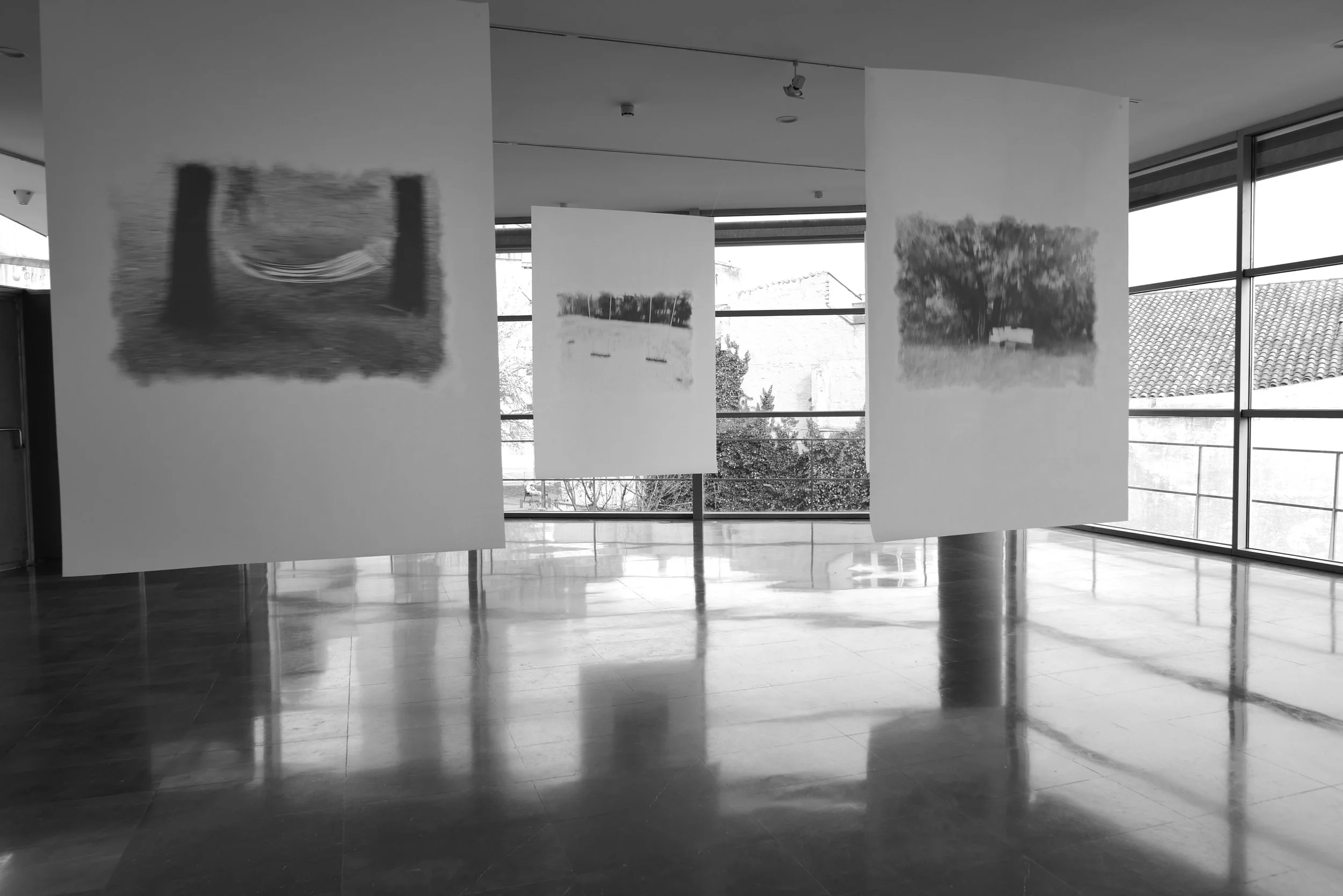
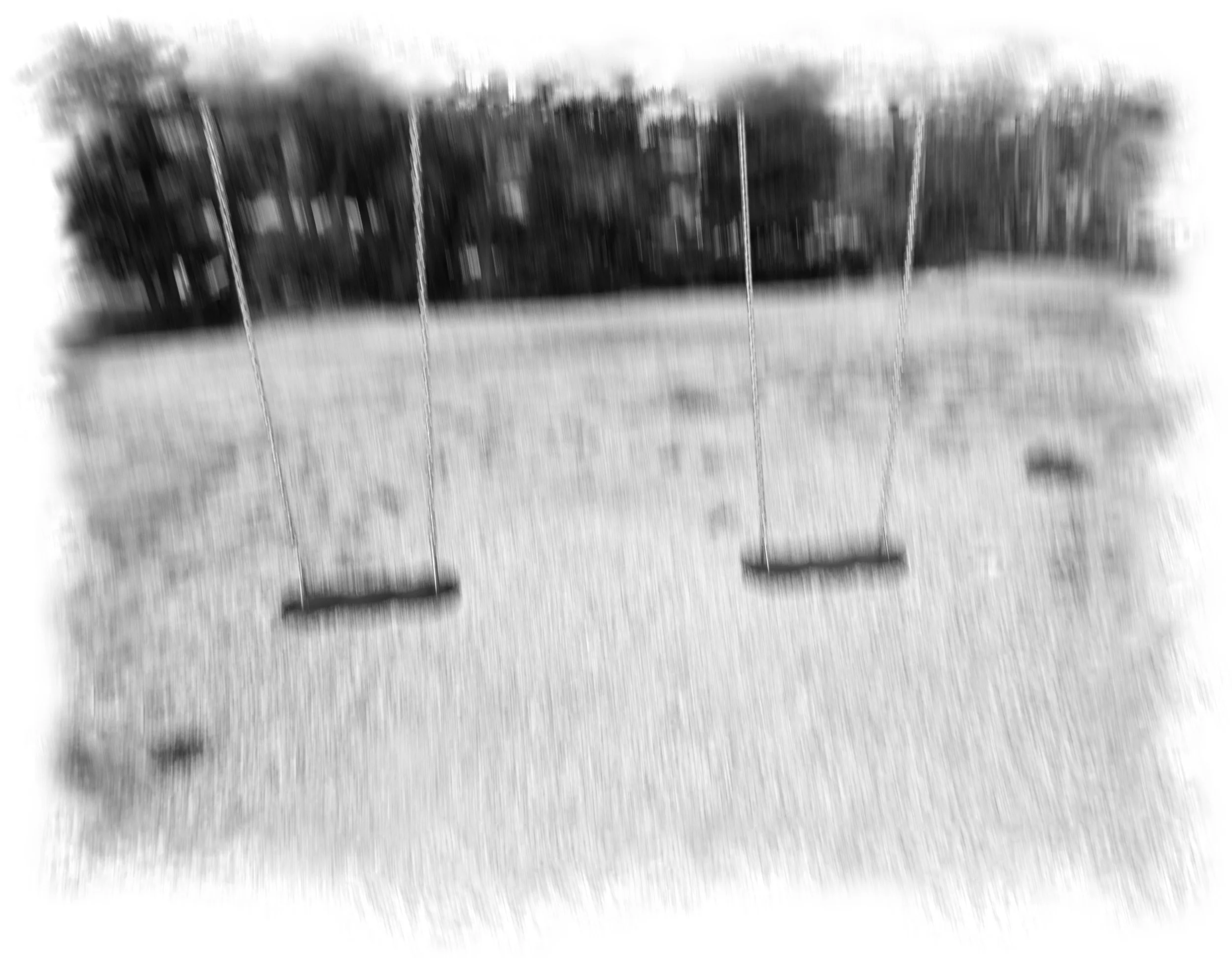
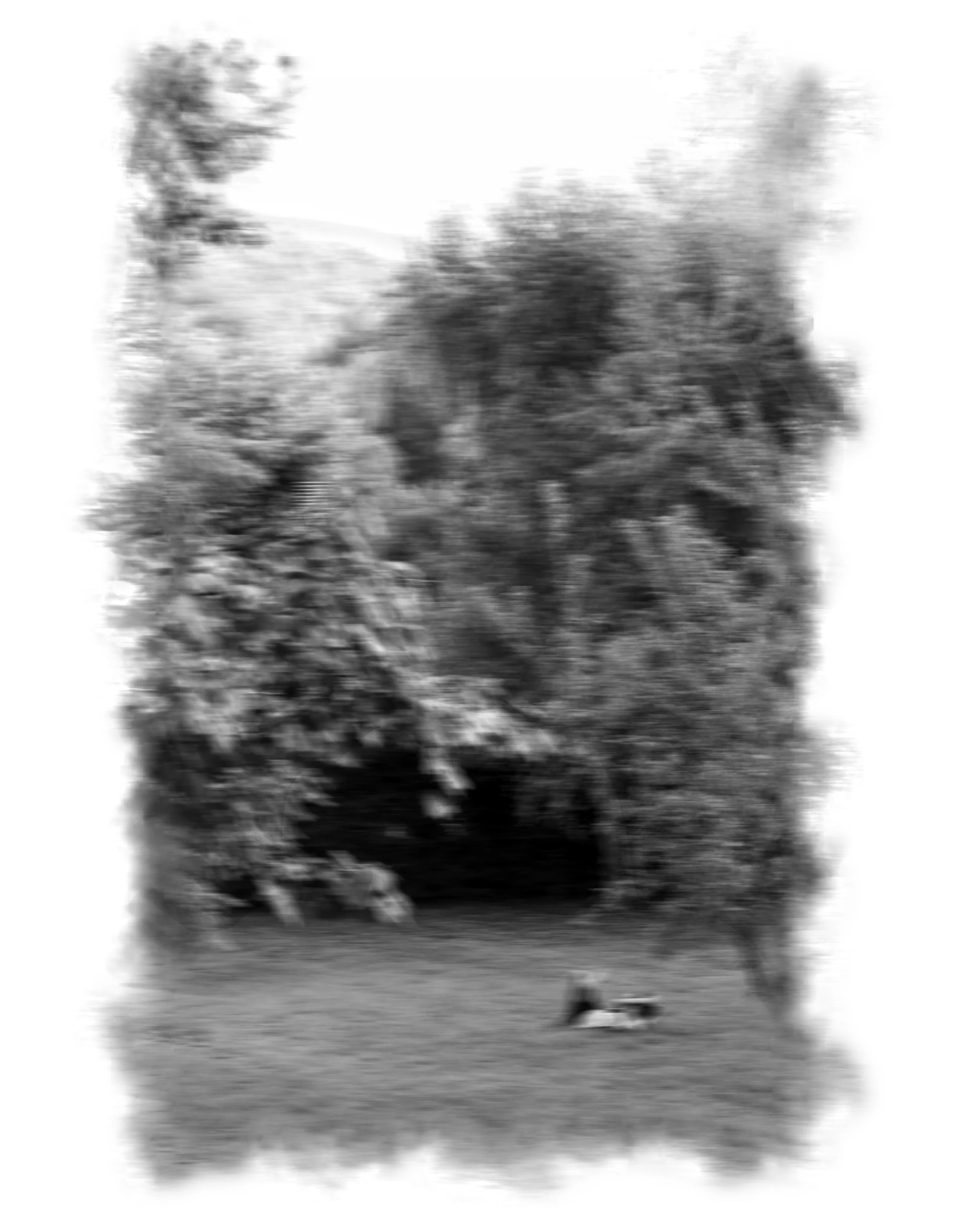
The series explores this elusive territory where perception gives way to intuition and certainty begins to falter. The photographs do not seek to describe the world as it appears, but to remain close to the moment before recognition, when an image is still unfolding and meaning has not yet settled.
Rather than concealing reality, the work transforms it into a space of remembered sensation. Familiar places and everyday objects lose their descriptive function, becoming quiet vessels for imagination and emotional association. What lingers is not the form of things, but the feeling of having encountered them—as though they belonged as much to memory as to the present.
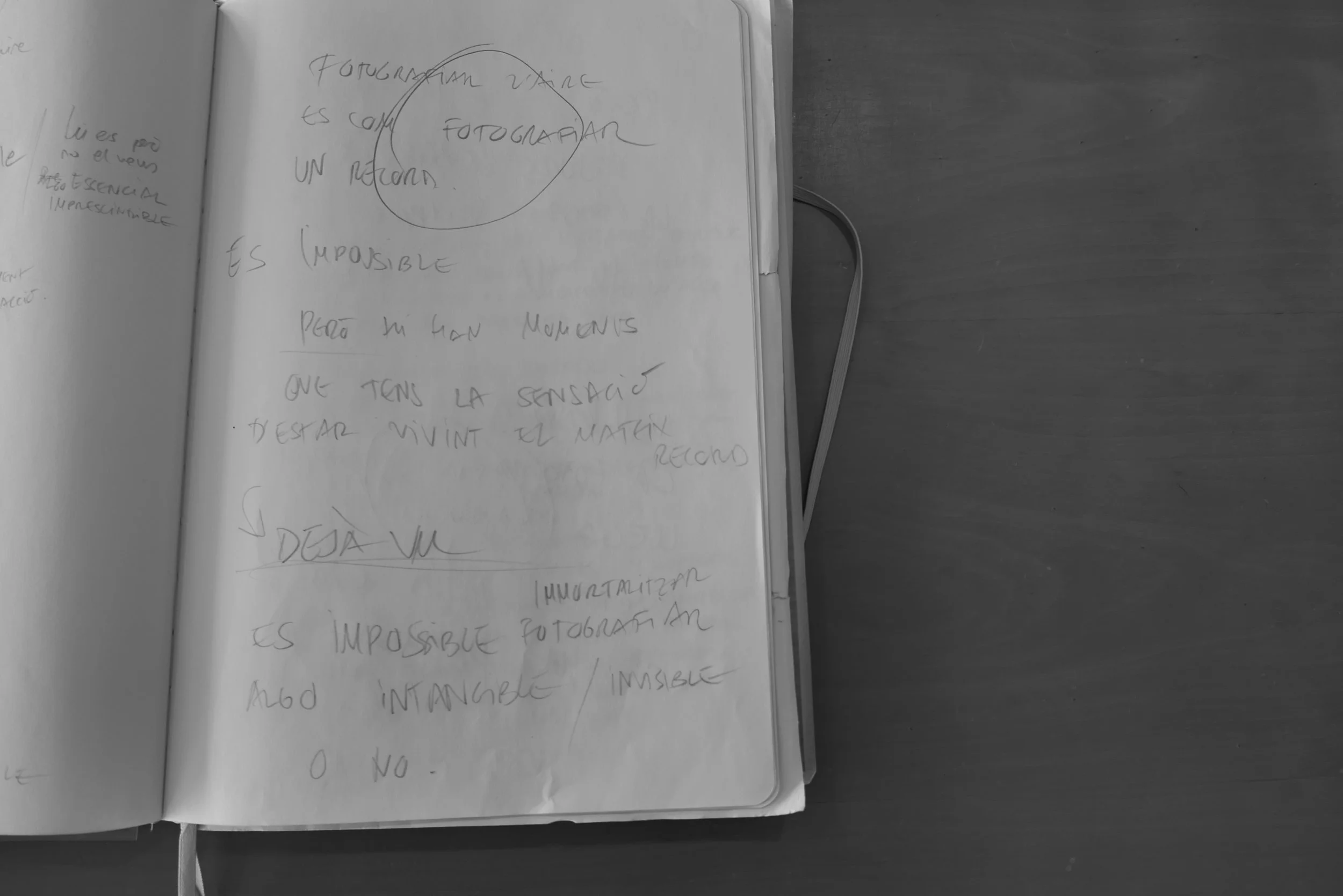
Air is central to the work, not as a subject but as an invisible medium. It becomes the space through which movement, thought, and imagination take shape, allowing the photographs to evoke what cannot be directly seen. Instead of offering answers, the images invite a slower way of looking, where perception is guided as much by intuition as by sight.
Between memory and imagination, the photographs approach what might be described as an eidetic image: neither a record nor an invention, but a deeply felt mental image that exists somewhere between experience and recollection. They do not explain or narrate; they awaken sensations that precede language and resist fixed interpretation.
In Presque vu, photography becomes less a means of recording the visible than a way of attending to what lies just beyond it. The work invites viewers to dwell in that fleeting interval where seeing remains incomplete, and where the image continues to emerge through their own perception.